AI does not always need to live in the cloud
For years, advanced AI features generally depended on remote data centers. That model remains important, but smartphone hardware is becoming capable enough to handle a growing set of AI workloads locally.
Google's 2026 Android updates highlight this direction, including local AI models and increasingly integrated Gemini experiences across devices.
What is on-device AI?
On-device AI means that some model computation happens directly on a phone, tablet, laptop or another local device. The device may still use cloud services for larger or more complex tasks, but not every operation has to leave the device.
Why local processing can be useful
- Speed: local processing can reduce network round trips.
- Privacy: some information can remain on the device instead of being uploaded.
- Offline capability: certain AI functions can work without an active connection.
- Reliability: local features can remain available when connectivity is poor.
The hardware challenge
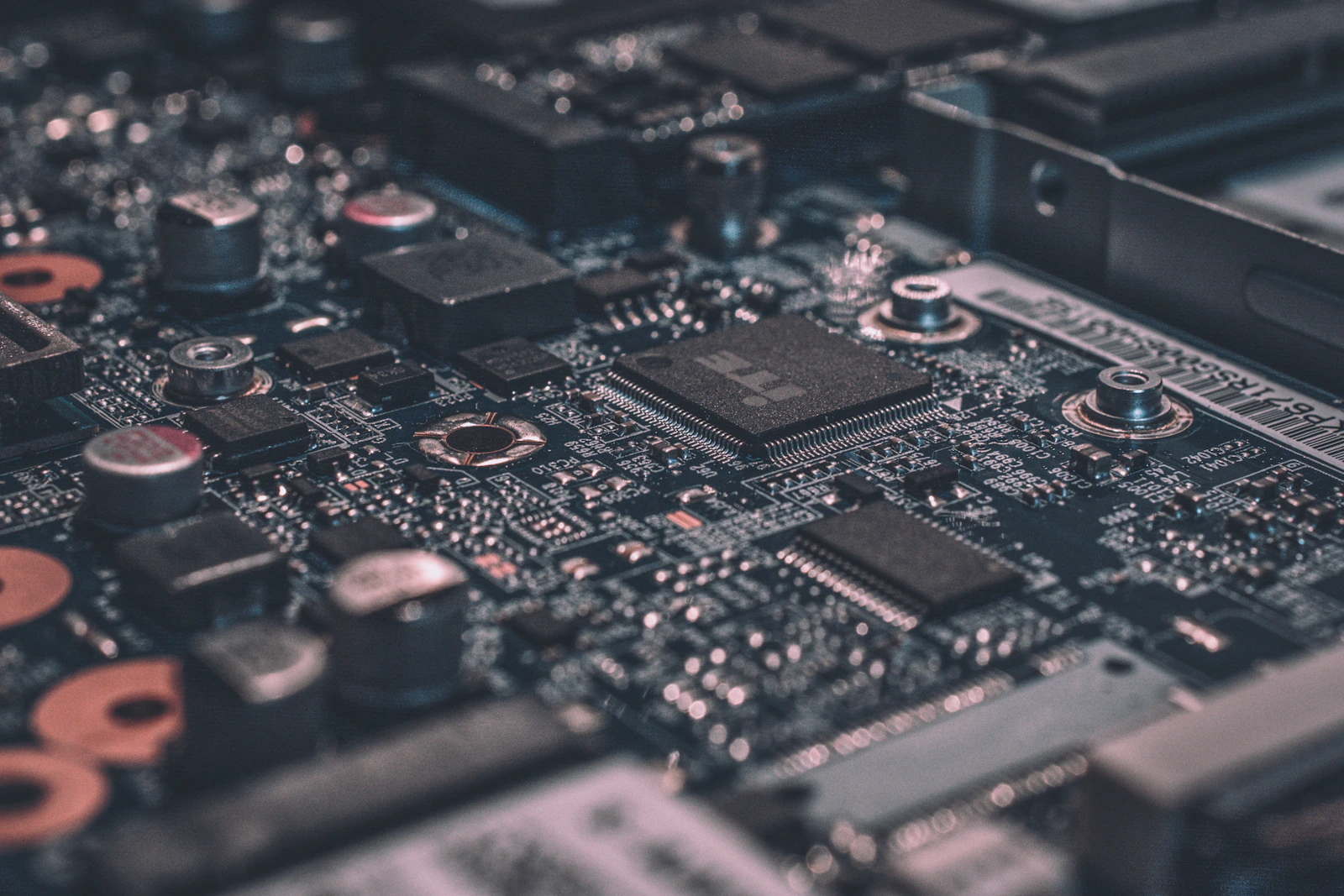
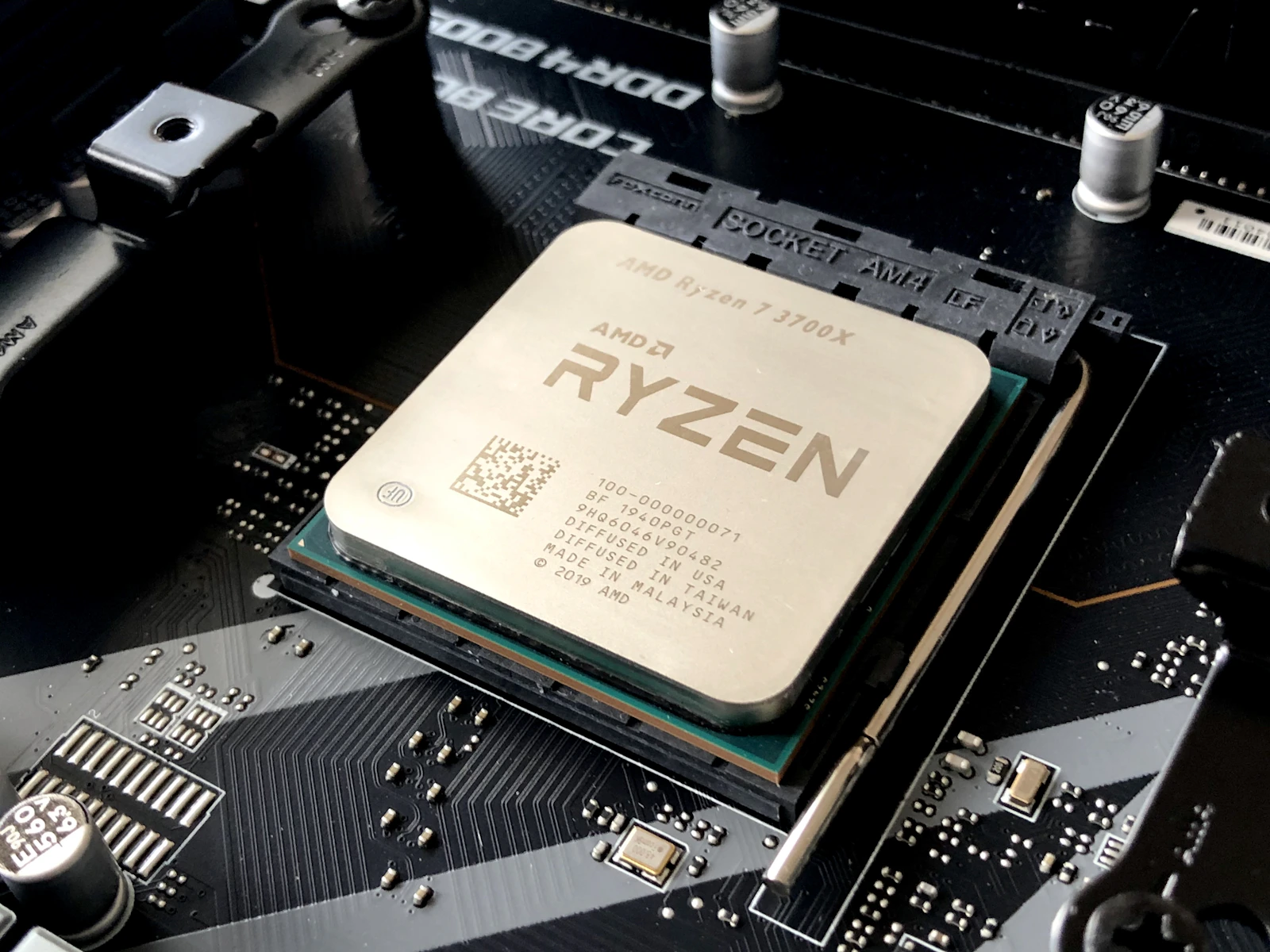
Running AI locally requires efficient processors. Modern phones increasingly include neural-processing units and other specialized hardware designed for machine-learning operations. Semiconductor improvements are also helping manufacturers increase performance without dramatically increasing power consumption.
Local does not automatically mean private
Users should not assume every AI function is local simply because an application has an on-device feature. Some requests may still be sent to cloud servers. Privacy depends on the specific product, setting and workload.
What comes next
The likely future is hybrid. Small, fast or sensitive tasks can run locally, while complex workloads can use cloud infrastructure. Users may not even notice which side handles a request, but the underlying balance between device intelligence and cloud intelligence will become an important part of product design.