The cloud is becoming an AI infrastructure layer
Cloud computing used to be discussed mainly in terms of virtual machines, storage and scalable applications. In 2026, AI has become one of the major forces shaping cloud infrastructure. Training and running AI models require large amounts of compute, high-speed networking, specialized processors and substantial power capacity.
Training is only part of the story
AI training gets much of the attention because it can require huge clusters of accelerators. But inference—running a trained model to answer real user requests—can become an equally important infrastructure workload as AI features reach more products.
Inference also creates different optimization challenges. Companies want lower latency, predictable costs and enough capacity to handle spikes in demand.
Why custom AI chips are growing
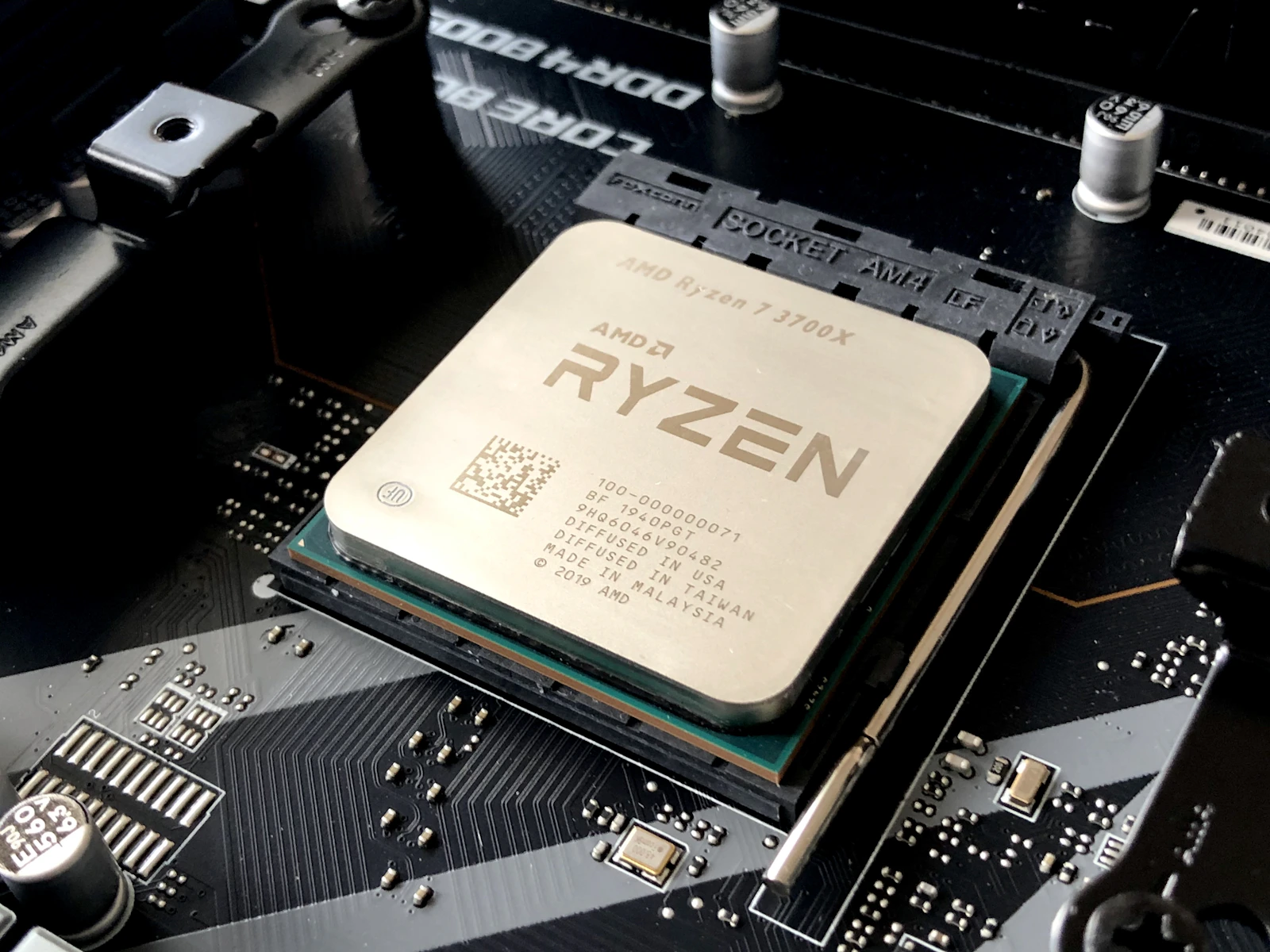
Major technology companies are investing in custom silicon to optimize workloads and reduce dependence on general-purpose accelerators for every task. Reuters reported in August 2026 that Marvell and Google were expanding cooperation around custom AI chips.
Custom processors can be designed around a company's specific workload, potentially improving efficiency for particular inference or data-center applications. They do not eliminate the need for general-purpose accelerators, but they can broaden the infrastructure mix.
Power and cooling are becoming technology issues
As computing density increases, data centers need more sophisticated power delivery and cooling. This means the future of cloud computing is connected to physical infrastructure: electricity availability, networking equipment, cooling systems, land and construction timelines can all affect how quickly new AI capacity can come online.
What businesses should consider
- Measure AI workloads by cost and latency, not only model quality.
- Decide which workloads need cloud GPUs, CPUs or specialized accelerators.
- Keep sensitive data and permissions under clear governance.
- Monitor inference costs as AI features move into production.
The cloud is not disappearing. Instead, its architecture is changing around AI, and companies will increasingly have to treat compute capacity as a strategic engineering resource.