The competition to build the chips that power AI data centers took center stage again this year, with Nvidia's newly announced Vera Rubin platform setting the pace and rivals racing to close the gap on both performance and price. For an industry where a single generation of hardware can determine which companies can afford to train or serve the next wave of frontier models, the stakes of this particular race are unusually high.
The new flagship silicon
Nvidia unveiled its Vera Rubin AI supercomputer platform at CES 2026, claiming roughly five times the AI performance of its predecessor alongside a reported tenfold improvement in inference cost efficiency. The announcement was paired with open-source autonomous-driving software and upgraded graphics-upscaling technology, underlining how much of Nvidia's roadmap now stretches well beyond traditional data-center customers into robotics and automotive applications. That broader push was reinforced elsewhere at the same event, where Boston Dynamics unveiled a production version of its Atlas humanoid robot for warehouse and factory work, powered in part by Google DeepMind's Gemini Robotics models, with an initial fleet destined for Hyundai facilities later in the year.
AMD's counterpunch
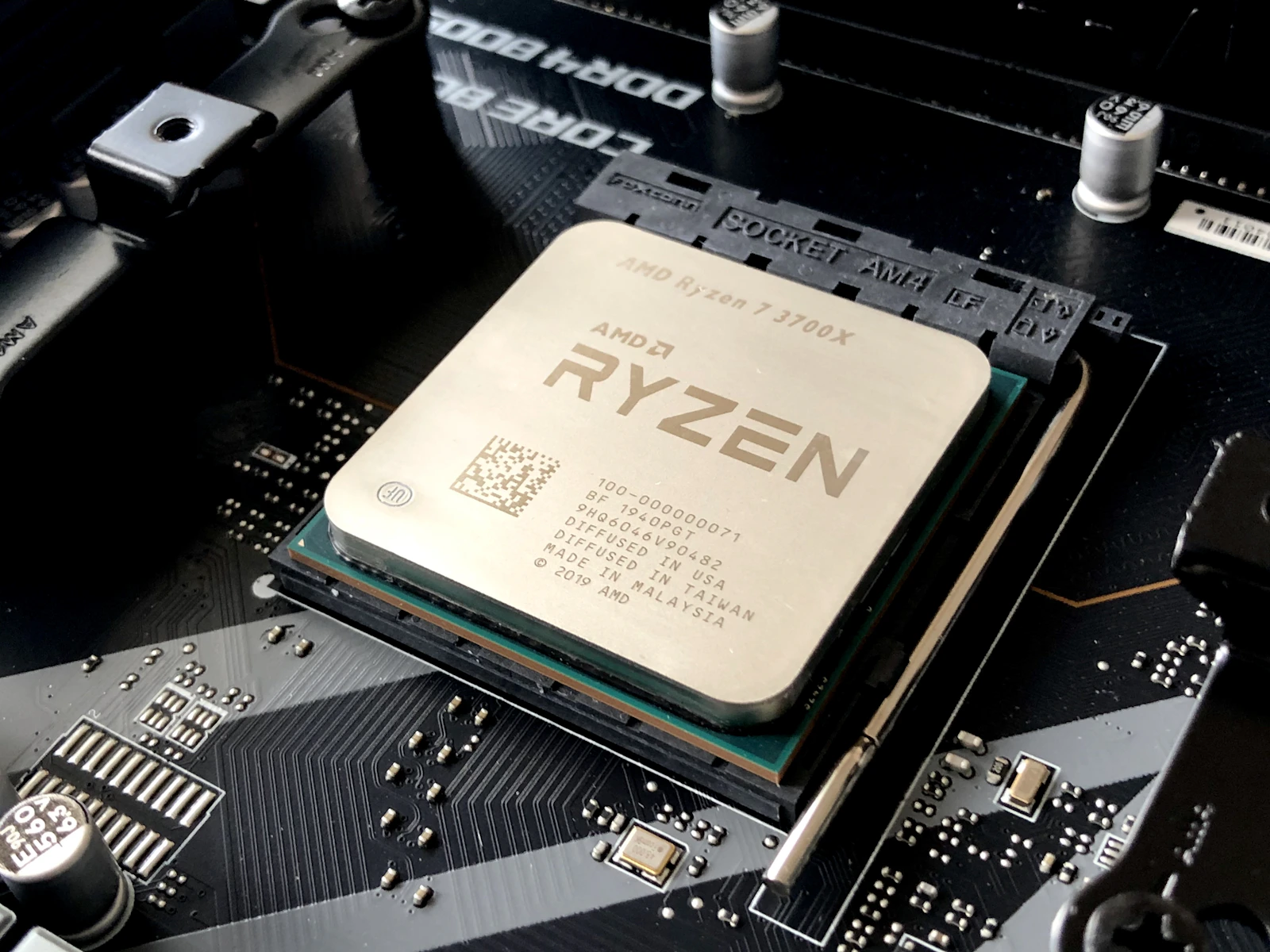
AMD used the same show to unveil a refreshed line of processors, including new AI accelerators aimed squarely at data-center customers alongside updated laptop chips. The company has spent the past several product cycles trying to establish itself as a credible second source for AI training and inference hardware, positioning itself as an option for large buyers who don't want to depend entirely on a single supplier — a concern that has only grown as AI infrastructure spending has become a bigger line item in corporate budgets.
Why inference economics matter more than ever
The chip race is increasingly being fought over inference — the cost of actually running trained models for millions of daily users — rather than training alone. That shift matters because inference costs scale directly with usage, while training is a largely fixed, one-time expense per model generation. Independent benchmark trackers have found frontier AI labs unusually close to one another on raw model quality even as hardware costs vary enormously between providers, which puts pressure on chipmakers to compete on cost-per-token served rather than headline performance figures alone.
That dynamic also helps explain why Nvidia's own benchmarking arm, Artificial Analysis, found OpenAI, Anthropic and Google effectively tied at the top of its Intelligence Index rankings earlier in the year: when model quality converges, the underlying hardware economics of serving that intelligence at scale become the deciding factor in which companies can offer AI products profitably. With Vera Rubin, AMD's new accelerators, and continued investment from cloud providers all arriving in the same year, 2026 looks likely to be remembered as the year the AI hardware race became as much about the electricity bill as the silicon itself.