The questionnaire is new; the system behind it isn't
Since September 9, 2026, Apple has required developers to answer a new set of questions in App Store Connect declaring whether their app has social media capabilities — defined as the ability to redistribute, amplify, or let users interact with content through a feed or similar discovery feature. Apps that say yes get a new “Social Media” content descriptor on their App Store listing and are treated differently under Apple's Time Allowance settings for users under 13. It's a simple form, but it sits on top of a much bigger system Apple has spent the past year building.
Built for Texas, extended everywhere
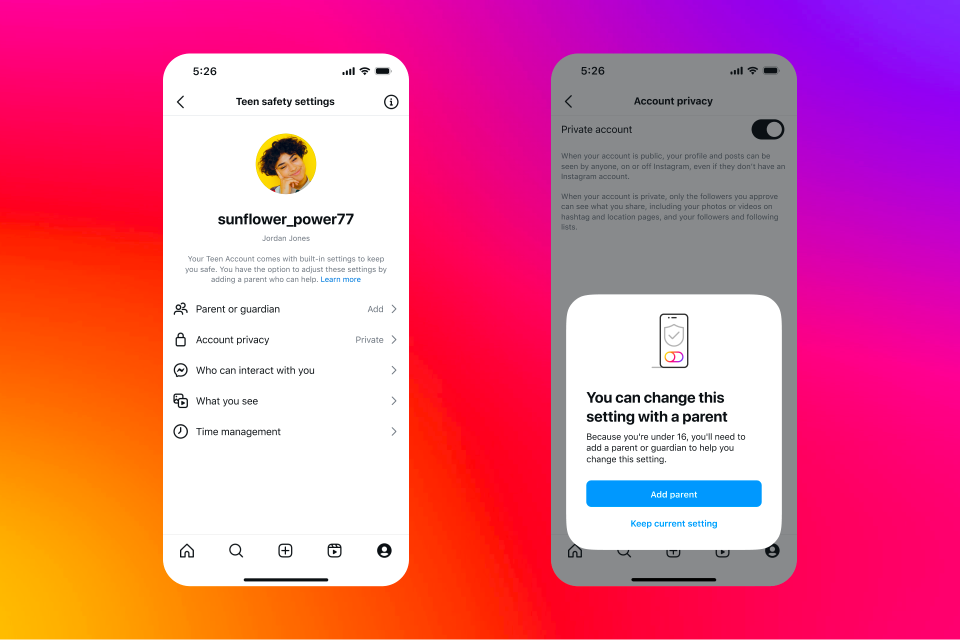
That system traces back to Texas's App Store Accountability Act, SB 2420, which took effect for new Apple Accounts on June 4, 2026, after a court lifted an injunction that had held it up. The law requires app marketplaces to verify a user's age at account creation and get parental consent before a minor can download apps, make purchases, or continue using an app after a significant update. Apple built a Declared Age Range API so developers can request a user's age category — under 13, 13–15, 16–17, or 18-plus — along with a signal about how that age was verified, such as a credit card or a government ID, without handing over a birth date or other personal details. A separate Significant Change API, part of Apple's PermissionKit framework, lets developers trigger a fresh parental-consent prompt when they've made a major change to an app, and a server notification tells developers if a parent later revokes consent.
Utah and Louisiana adopted similar rules on May 6 and July 1, 2026 respectively, and Apple extended the same APIs to cover both. Apple has been publicly unenthusiastic about the approach — the company has argued that broad age-verification mandates force the collection of sensitive personal information just to download an app that checks the weather — but it built sandbox testing tools anyway so developers could simulate scenarios like a user turning 16 mid-year or a parent withdrawing consent.
What developers still have to do
Answering the App Store Connect questionnaire is the easy part; actually wiring up the Declared Age Range API, the Significant Change API, and the new age-rating property in StoreKit is a separate engineering project, and by most accounts, a lot of teams have done the former without the latter. Developers distributing social apps should expect that gap to close quickly, since regulators in multiple states — and now India, under its Digital Personal Data Protection Act — are watching the same category of app.